
I think McDonalds is a fast food restaurant that you're going to find if you ever go to an English speaking country. The trouble you may have is to answer any question they say. Of course, it's not going to be in any book so I'm here to tell you everything that will minimize the guessing of what the cashier will ask you. Yes, it's a little more studying but you will be able to make it without listening to what the cashier says.
First, before you line up, decide what you are going to order. The menu and prices are different depending on the country. You can see the pictures of what you want from a distance and look up, using a dictionary or the free internet provided, how to say it.
Something you might not know is that a 'meal' is the same thing as a 'combo'. It includes a medium sized fries and a medium sized drink. If you want to get fancy, ask for no salt for the freshest fries and coke for your drink. Coke sponsors McDonalds so they should have it everywhere. Large also means upgraded fries or supersized fries. The same works for drinks.
You are given two choices for where you would like to eat your food: at the restaurant or somewhere else. The options are either: for here or to go. If you think you're going to leave early or save some for later, the only difference between the two is that one comes in a bag, the other comes on a tray.
Finally, the total of the order only shows up after everything has been ordered. It is safe to know that once the total shows up on the cash register, you're almost finished ordering. There are three buttons on the cash register: cash, credit, and debit. Since credit and debit are both cards, I would suggest going cash only to save you the trouble of finding out if amex, visa, or prepaid is a credit card or not.
Now, let's go through a situation where you would like a hamburger, medium fries, medium coke for here. You only need to say two lines.
Welcome to McDonalds, how may I take your order?
>I would like a hamburger meal with coke for here. That is all.
That will be $4.35. How would you like to pay?
>*Hands over a $5 bill*
Here is your change and receipt, your order will be up shortly.
The original conversation would go something like this:
Welcome to McDonalds, how may I take your order?
> I would like a hamburger
Would you like to add fries and a drink for only $1.59?
>Yes
Would you like large fries for only $0.39 more?
>No
Would you like a large drink for only $0.39 more?
>No
What drink would you like?
>Coke
Anything else you would like to order?
>No
That will be $4.35. How would you like to pay?
>Cash. *hands over a $5 bill*
Here is your change and receipt, your order will be up shortly.
For the advanced people, here's what you can do to make your dining experience better for the cost of time. The order is a double cheeseburger with medium fries and medium coke at a Canadian McDonalds.
Welcome to McDonalds, how may I take your order?
> I would like a McDouble meal with coke, no salt on the fries or patty for here. Add cheese on the burger. That is all.
That will be $4.35
>*Hands over a $5 bill*
Here is your change and receipt, your order will be up shortly.
McDonalds patties are "fresh" for 20 minutes after they are cooked but must be salted immediately. French fries are good for 3 minutes and must be salted immediately. You can take advantage of the freshness by asking for no salt. Also, a McDouble is on the value meal $1.39 but a double cheeseburger $1.56 is not. So you can just add cheese for less of the difference and save some money. As of what I know, additional vegetables and sauces ON the burger is free and $0.15 on the side. You can make a BigMac with two hamburgers if you add BigMac sauce, lettuce, and onions. Or a McDouble and an extra bun.
Monday, May 19, 2014
Tuesday, May 6, 2014
窓側の席
Labels:
日本語,
窓側の席
0
comments
勉強単語と文法は赤色で
人々が レストランとバスと電車乗る中に窓側の席座りたい見つけ出した。確かに、良いポイントあるけど、通路側の席のほうが良いと思う。もしこれを読んだら、俺の理解を分かる。空っぽのバスに入ったら、どこに座りたい?
窓側の席には:
ここに、外を見れる。外は面白いね?人々見えるし、窓から風を感じるし、外にいつも何かも見える。携帯電話見るばっかりは悪い背中になれるかも。そうして、もっと上の事を見るなら、首をリラックスをできる。郵送なら、もし宛先が長い、人々の為に動くするをしなくていい。
でももし外にみえる、外から中も見える。それは良いの?いいやな人出れるし、いたずらっ子何かできるし、写真に入れるし。もしすべての人は俺のご飯食べる中に見られたくたい、家に食べるよ。見られるけど全部は多過ぎる。郵送には、早く出れるし、電車の中をもっと見えるし、 足の空間あるし、いいでしょう?

このエントリーは冗談だ。ホントにその感じを思わない
人々が レストランとバスと電車乗る中に窓側の席座りたい見つけ出した。確かに、良いポイントあるけど、通路側の席のほうが良いと思う。もしこれを読んだら、俺の理解を分かる。空っぽのバスに入ったら、どこに座りたい?
窓側の席には:
ここに、外を見れる。外は面白いね?人々見えるし、窓から風を感じるし、外にいつも何かも見える。携帯電話見るばっかりは悪い背中になれるかも。そうして、もっと上の事を見るなら、首をリラックスをできる。郵送なら、もし宛先が長い、人々の為に動くするをしなくていい。
でももし外にみえる、外から中も見える。それは良いの?いいやな人出れるし、いたずらっ子何かできるし、写真に入れるし。もしすべての人は俺のご飯食べる中に見られたくたい、家に食べるよ。見られるけど全部は多過ぎる。郵送には、早く出れるし、電車の中をもっと見えるし、 足の空間あるし、いいでしょう?
このエントリーは冗談だ。ホントにその感じを思わない


Tuesday, April 29, 2014
Sometimes You Want Something
Labels:
Engrish,
Learn Japanese in English
0
comments
If you want something, the verb for it in Japanese is hoshii 欲しい。 This also works when talking about other people's needs.
Here is your conjugation reference:
I want: hoshii 欲しい
I don't want: hoshikunai 欲しくない
I wanted: hoshikatta 欲しかった
I didn't want: hoshikunakatta 欲しくなかった
If I wanted (and it happened): hoshikereba 欲しければ
If I didn't want (and it happened): hoshikunakereba 欲しくなければ
If I want: hoshikattara (just a wish): 欲しかったら
If I didn't want (just a wish): hoshikunakattara 欲しくなかったら
An important thing to remember is the particle used in the sentence. For positive sentences, you would always put が after the thing you want. In almost every sentence that is positive, when you're talking about you or another person, you use the particle が even in casual speech.
I want that
私はそれが欲しい
watashi wa sore ga hoshii
I wanted that
俺はそれが欲しかった
ore wa sore ga hoshikatta
If he wanted it (and it's true), I think it's good.
彼はそれが欲しければ 良いと思う
kare wa sore ga hoshikereba, ii to omou
The ga turns into a waは if the sentence is a negative. There are a few exceptions but for most of the time, you would use wa when it comes to not wanting something. I'm still not too familar with the particles because I don't use them often.
I don't really want money (no desire for money)
僕はお金はあまり欲しくない
boku wa okane wa amari hoshikunai
If she didn't want kids (i'm not sure), I think it's fine too.
彼女は子供は欲しくなかったら、 私も大丈夫と思う
kanojyo wa kodomo wa hoshikunakattara, watashi mo daijyoubu to omou.
Another way of using hoshii is for when you want someone to do something. You would use the -て form of a verb before hoshii. I'm guessing that you use the niに particle after the person or thing you want because they are being directed, by you, the action. It could be "I'm telling you to do this". The action is being sent to someone as a task to do.
I wanted her to win
彼女に勝って欲しかった
kanojyo ni katte hoshikatta
I want you to buy it
私はあなたに買ってほしい
watashi wa anata ni kaitte hoshii
Here is your conjugation reference:
I want: hoshii 欲しい
I don't want: hoshikunai 欲しくない
I wanted: hoshikatta 欲しかった
I didn't want: hoshikunakatta 欲しくなかった
If I wanted (and it happened): hoshikereba 欲しければ
If I didn't want (and it happened): hoshikunakereba 欲しくなければ
If I want: hoshikattara (just a wish): 欲しかったら
If I didn't want (just a wish): hoshikunakattara 欲しくなかったら
An important thing to remember is the particle used in the sentence. For positive sentences, you would always put が after the thing you want. In almost every sentence that is positive, when you're talking about you or another person, you use the particle が even in casual speech.
I want that
私はそれが欲しい
watashi wa sore ga hoshii
I wanted that
俺はそれが欲しかった
ore wa sore ga hoshikatta
If he wanted it (and it's true), I think it's good.
彼はそれが欲しければ 良いと思う
kare wa sore ga hoshikereba, ii to omou
The ga turns into a waは if the sentence is a negative. There are a few exceptions but for most of the time, you would use wa when it comes to not wanting something. I'm still not too familar with the particles because I don't use them often.
I don't really want money (no desire for money)
僕はお金はあまり欲しくない
boku wa okane wa amari hoshikunai
If she didn't want kids (i'm not sure), I think it's fine too.
彼女は子供は欲しくなかったら、 私も大丈夫と思う
kanojyo wa kodomo wa hoshikunakattara, watashi mo daijyoubu to omou.
Another way of using hoshii is for when you want someone to do something. You would use the -て form of a verb before hoshii. I'm guessing that you use the niに particle after the person or thing you want because they are being directed, by you, the action. It could be "I'm telling you to do this". The action is being sent to someone as a task to do.
I wanted her to win
彼女に勝って欲しかった
kanojyo ni katte hoshikatta
I want you to buy it
私はあなたに買ってほしい
watashi wa anata ni kaitte hoshii
Monday, April 21, 2014
Asking For Money
Labels:
English,
Learn English in English,
Money
0
comments
This is a continuation on the last entry about Canadian coins.
I hope you all learned by now that asking for money isn't that easy. The good example of paying someone with pennies (1 cent) is always something useful to remember. For now, I will be talking about what to do during the restaurant, the bus, and the bank. For all that I can think of now, these two will cover most of the situations you may find in daily life. If there are any questions, please post a comment.
The bus fair varies in the day and you might not have enough change to ride the bus. Let's pretend that you're waiting for a bus that isn't in the terminal. You must have exact change because buses do not give out change and only accepts coins. You have a $5 bill but the bus ticket costs $2.75. What do you do?
In this situation you would have to either find a person or a store. Asking a person is easy, you just say "Do you have change for a $5?" to everyone you meet.
A store is a little bit different. Because it's a business, you must use it for it's services. Some places are nice but it's common to buy something first. After you have paid or asked nicely, you say "Can you break a $5?"
In a restaurant, you are eating with your friends and the bill comes together, not separated. You each have eaten about the same thing and need to pool in your money to pay for the bill. Let's pretend it's a good mix of males and females. The females bring change in their purses but the guys only carry bills with them. Unfortunately, there is not enough change for girls to exchange with the guys. You want to leave immediately and leave the money on the table but if everyone paid their share with the smallest bill available, you might be tipping too much.
In this situation, you would flag the waiter over and ask "Can I get change for this twenty?" or whatever bill you have. You can then pay for your part of the bill and trade coins for bills that other people have used for their meal.
In the bank, you would usually ask for a large amount of money. If you're buying something from an Asian person that only accepts cash, you would have to go to a bank to withdraw money. That, or you are going to run a cashier and need the smaller bills or coins for change.
You would go up to the bank teller and ask "May I withdraw $85.50?". Notice that this time it is a "May" instead of a "Can." This is because you know that you can do it because the bank is where money is kept. It is not an ability or a skill that you need, nor is there a possibility that it won't be able to happen.
Let's recap the questions before learning what to say next.
Do you have change for a $5
Can you break a $5?
Can I get change for this twenty?
May I withdraw $85.50?
The person you are asking will probably say something along the lines of:
"What do you need?"
You can then say, using the names of bills and coins. I would like:
"A toonie, two loonies and four quarters"
"$2 in toonies, $2 in loonies, and $1 in quarters"
The first answer you have to know what the total adds up to before saying it. Usually, you would say the items you need in descending order. The second one uses the sum and then the coins. You must say everything in the plural even though there is only one of them. You are listing the total this time, and must use plural form.
"I would like a fifty, a twenty, a ten, a five, and a fifty cent piece."
"I would like $50 in fifties, $20 in twenties, $10 in tens, $5 in fives, and 50c in fifty cent pieces"
I hope you all learned by now that asking for money isn't that easy. The good example of paying someone with pennies (1 cent) is always something useful to remember. For now, I will be talking about what to do during the restaurant, the bus, and the bank. For all that I can think of now, these two will cover most of the situations you may find in daily life. If there are any questions, please post a comment.
The bus fair varies in the day and you might not have enough change to ride the bus. Let's pretend that you're waiting for a bus that isn't in the terminal. You must have exact change because buses do not give out change and only accepts coins. You have a $5 bill but the bus ticket costs $2.75. What do you do?
In this situation you would have to either find a person or a store. Asking a person is easy, you just say "Do you have change for a $5?" to everyone you meet.
A store is a little bit different. Because it's a business, you must use it for it's services. Some places are nice but it's common to buy something first. After you have paid or asked nicely, you say "Can you break a $5?"
In a restaurant, you are eating with your friends and the bill comes together, not separated. You each have eaten about the same thing and need to pool in your money to pay for the bill. Let's pretend it's a good mix of males and females. The females bring change in their purses but the guys only carry bills with them. Unfortunately, there is not enough change for girls to exchange with the guys. You want to leave immediately and leave the money on the table but if everyone paid their share with the smallest bill available, you might be tipping too much.
In this situation, you would flag the waiter over and ask "Can I get change for this twenty?" or whatever bill you have. You can then pay for your part of the bill and trade coins for bills that other people have used for their meal.
In the bank, you would usually ask for a large amount of money. If you're buying something from an Asian person that only accepts cash, you would have to go to a bank to withdraw money. That, or you are going to run a cashier and need the smaller bills or coins for change.
You would go up to the bank teller and ask "May I withdraw $85.50?". Notice that this time it is a "May" instead of a "Can." This is because you know that you can do it because the bank is where money is kept. It is not an ability or a skill that you need, nor is there a possibility that it won't be able to happen.
Let's recap the questions before learning what to say next.
Do you have change for a $5
Can you break a $5?
Can I get change for this twenty?
May I withdraw $85.50?
The person you are asking will probably say something along the lines of:
"What do you need?"
You can then say, using the names of bills and coins. I would like:
"A toonie, two loonies and four quarters"
"$2 in toonies, $2 in loonies, and $1 in quarters"
The first answer you have to know what the total adds up to before saying it. Usually, you would say the items you need in descending order. The second one uses the sum and then the coins. You must say everything in the plural even though there is only one of them. You are listing the total this time, and must use plural form.
"I would like a fifty, a twenty, a ten, a five, and a fifty cent piece."
"I would like $50 in fifties, $20 in twenties, $10 in tens, $5 in fives, and 50c in fifty cent pieces"
Monday, April 14, 2014
地元観光
Labels:
地元観光,
日本語
0
comments
勉強単語と文法は赤色で
もしあなた分からないかもけど、俺がバーナビーに住んでいる。そこがバスでバンクーバーから一時間ぐらい。 実は、有名な所がどこでもまで一時間ぐらい。そんなにだけど、俺が沢山の場所に行った事ない。あまり興味がないかな。多分、ここに住んでいるだからいつでも行ける。もし他の場所に行った、見て回りたい。観光資源だけじゃなくて公園や海や町に見に行きたい。何が違う、何が同じ計算する。
最近、ろス アンヘレスに行った。ビデオゲームを見に行った。朝の1時から9時まで寝てて11時から7時までイベントある。4時間ぐらい何もできる。海からは歩いて一時間。あまり人がいないけど、可愛い猫見付けた。海で、夜からちょっと暗いけど波浪見える。バンクーバーより波浪が高い。
日本に行ったら、田舎でも、楽しいになるかもと思う。 そこで、土地の人と会えるし、どっちの道に行っても迷えるし、いい写真をとれる。確かに、今の所もまだ行った事ないの見付ける事があるけど、旅人には出きる事は限定的。そんな人は選択がないからするしかない。俺はグランビルアイランドに行った事ないけど、外人には皆行った事ある。正直、友達はお願いしなくては、絶対に行きたくない。
どういう思う?
もしあなた分からないかもけど、俺がバーナビーに住んでいる。そこがバスでバンクーバーから一時間ぐらい。 実は、有名な所がどこでもまで一時間ぐらい。そんなにだけど、俺が沢山の場所に行った事ない。あまり興味がないかな。多分、ここに住んでいるだからいつでも行ける。もし他の場所に行った、見て回りたい。観光資源だけじゃなくて公園や海や町に見に行きたい。何が違う、何が同じ計算する。
最近、ろス アンヘレスに行った。ビデオゲームを見に行った。朝の1時から9時まで寝てて11時から7時までイベントある。4時間ぐらい何もできる。海からは歩いて一時間。あまり人がいないけど、可愛い猫見付けた。海で、夜からちょっと暗いけど波浪見える。バンクーバーより波浪が高い。
日本に行ったら、田舎でも、楽しいになるかもと思う。 そこで、土地の人と会えるし、どっちの道に行っても迷えるし、いい写真をとれる。確かに、今の所もまだ行った事ないの見付ける事があるけど、旅人には出きる事は限定的。そんな人は選択がないからするしかない。俺はグランビルアイランドに行った事ないけど、外人には皆行った事ある。正直、友達はお願いしなくては、絶対に行きたくない。
どういう思う?
Tuesday, April 8, 2014
Sometimes You Really Must Do Something
Labels:
Engrish,
Learn Japanese in English
0
comments
ないといけない pretty much means 'must do something'. The something here is a verb and it can be any verb that makes sense in the sentence "You must ___". Remember that in Japanese, the sentence structure is Subject, Object, Verb (SOV) so you can construct your sentence normally and just add "must" at the end. If I were to deconstruct the phrase it would be Verb+ない and といけない where the verb half means "don't ___" and the other half being "don't do". So just like math, we have two negatives become a positive and it equals "must do ___".
In order to make this sentence you need to know the casual negative form of your verbs.
あげる → あげない To give
勝つ → かたない To win
負ける → まけない To lose
行く → いかない To go
After you have your negatives, simply add といけない and you're complete!
あげないといけない → I must give
勝たないといけない → I must win
負けないといけない → I must lost
行かないといけない → I must go
If you would like to use "must" in a formal setting, the proper, more formal way of saying must is なくちゃいけません。
What would Japanese be without shortening long sentences? Simply removing といけない will mean you can't do something. So there is a completely new grammar point that has the exact same meaning but it's better because you will be able to shorten it. Instead of ないといけない, use なくちゃ which comes from the formal version.
あげなくちゃ → I must give
勝たなくちゃ → I must win
負けなくちゃ → I must lose
行かなくちゃ → I must go
See how much space you can save by using the shortened version? In any case, I hope you have fun telling people they must do something in Japanese.
In order to make this sentence you need to know the casual negative form of your verbs.
あげる → あげない To give
勝つ → かたない To win
負ける → まけない To lose
行く → いかない To go
After you have your negatives, simply add といけない and you're complete!
あげないといけない → I must give
勝たないといけない → I must win
負けないといけない → I must lost
行かないといけない → I must go
If you would like to use "must" in a formal setting, the proper, more formal way of saying must is なくちゃいけません。
What would Japanese be without shortening long sentences? Simply removing といけない will mean you can't do something. So there is a completely new grammar point that has the exact same meaning but it's better because you will be able to shorten it. Instead of ないといけない, use なくちゃ which comes from the formal version.
あげなくちゃ → I must give
勝たなくちゃ → I must win
負けなくちゃ → I must lose
行かなくちゃ → I must go
See how much space you can save by using the shortened version? In any case, I hope you have fun telling people they must do something in Japanese.
Tuesday, April 1, 2014
Abbreviations
Labels:
English,
Learn English in English
0
comments
Abbreviations are nice ways of writing things easier. But did you know that there are at least two different types? You can use abbreviations to make words shorter but there are rules when choosing which one to use. The first type of abbreviation is an acronym, and the second one is initialism.
An acronym is a type of word shortening like 'ltr' for 'later', or 'tmr' for 'tomorrow'. When you read it, you read the full word as it should be pronounced. The only thing different is the way you write it. The best thing about this shortening is that there are no rules. New ones can be made up and people will understand what you mean. It's great for taking notes in the classroom or when you need to write something quickly. Most acronyms are just the long words without any vowels. You can also replace some letters such as o,g,u,r,t, for oh, ge,you,are,tea.
Here are some examples:
ok for okay
hw for homework
Jan for January
Pokemon for Pocket Monsters
You may have noticed that you can make an acronym for two words to be combined into one. Japanese is quite famous for having acronyms in daily conversation to shorten words. Here are some examples, do you know any more?
Macdo = Mcdonalds
persocom = personal computer
cosplay = costume play
karaoke = empty(bare from karate) orchestra
staba = starbucks
Initialisms come from the root word of initial. Your initials are the first letter of your name. When writing initialisms, the rule is it has to be written with the first letter of each word that you want to shorten. When spoken, each letter has to be pronounced. Adding articles or prepositions are your choice, but sometimes they are added to help make the abbreviation easier to remember. Here are some initialisms:
RCMP = royal Canadian mounted police
ttyl = talk to you later
ayce = all you can eat
bogo = buy one get one
I would like to say rules are rules but they have to be broken. As abbreviations are becoming more common, people are starting to say initialisms out loud. Some started saying them as a joke but it soon caught on to being acceptable and some people don't event know what it stands for. Here are a list of abbreviations that started out as initialisms but turned into acronyms:
scuba = self-contained underwater breathing apparatus
aids = acquired immunodeficiency syndrome
laser = light amplification by stimulated emission of radiation
lol = laugh out loud
pin = personal identification number
Plz try and mk ur own abbreviations 2 help urself write notes down faster. It can save you 1-2sec when writing for your PhD or term essay. KY would like 2 play some LOL after this but first, it's time to slp. cya l8r!
An acronym is a type of word shortening like 'ltr' for 'later', or 'tmr' for 'tomorrow'. When you read it, you read the full word as it should be pronounced. The only thing different is the way you write it. The best thing about this shortening is that there are no rules. New ones can be made up and people will understand what you mean. It's great for taking notes in the classroom or when you need to write something quickly. Most acronyms are just the long words without any vowels. You can also replace some letters such as o,g,u,r,t, for oh, ge,you,are,tea.
Here are some examples:
ok for okay
hw for homework
Jan for January
Pokemon for Pocket Monsters
You may have noticed that you can make an acronym for two words to be combined into one. Japanese is quite famous for having acronyms in daily conversation to shorten words. Here are some examples, do you know any more?
Macdo = Mcdonalds
persocom = personal computer
cosplay = costume play
karaoke = empty(bare from karate) orchestra
staba = starbucks
Initialisms come from the root word of initial. Your initials are the first letter of your name. When writing initialisms, the rule is it has to be written with the first letter of each word that you want to shorten. When spoken, each letter has to be pronounced. Adding articles or prepositions are your choice, but sometimes they are added to help make the abbreviation easier to remember. Here are some initialisms:
RCMP = royal Canadian mounted police
ttyl = talk to you later
ayce = all you can eat
bogo = buy one get one
I would like to say rules are rules but they have to be broken. As abbreviations are becoming more common, people are starting to say initialisms out loud. Some started saying them as a joke but it soon caught on to being acceptable and some people don't event know what it stands for. Here are a list of abbreviations that started out as initialisms but turned into acronyms:
scuba = self-contained underwater breathing apparatus
aids = acquired immunodeficiency syndrome
laser = light amplification by stimulated emission of radiation
lol = laugh out loud
pin = personal identification number
Plz try and mk ur own abbreviations 2 help urself write notes down faster. It can save you 1-2sec when writing for your PhD or term essay. KY would like 2 play some LOL after this but first, it's time to slp. cya l8r!
Tuesday, March 25, 2014
自分撮り
Labels:
日本語,
自分撮り
1 comments
勉強単語と文法は赤色で
今日友達とブログのエントリーの内容は何を書くって尋ねた。自分撮りって。最初に何が言いた分からない。そうか、自分は自分;撮り(どり)は写真を撮るの撮り(とり)。挑戦だけど頑張る。
まず、女子と男子の自分撮りは違う。
女子:
自分撮りの目的は沢山ある。ヘッドショットとボディショットとフルショットを選べる。
フルショットは新しい服を買ったと皆に見せたい。だって、そんな事ないなら、あっ、また同じ服を着たか思える。それがやだでしょう?今日の服は明日に着えない。フルショットの言外の意味は今日のコンビはこれを普通に書く。
ヘッドショットはメイクがいい時か私は可愛いと思ったの時。なぜ上目遣いするの?絶対に可愛い顔見せたい。フェイスブックで最近”いいね!”を余り貰わないか可愛いアルバムを作りたいの理由だから写真を撮る。珍しい良いメイクしちゃったの顔またしたい時にとかわあぁ、のこ顔が絶対にこの感じになれないだから友達を見えるために写真を撮りたい時ヘッドショットを撮る。
ボディショットは二人にいるとか首飾りを買ったとか”きょにゅう見せてやろう!”とか髪の毛が長いな~の時に自分撮りを撮る。
男子:
ルショットの意味がない。
ヘッドショットは近い過ぎ。
ボディショットは今日の髪の毛いいね;隣の女子可愛いね。
それだけ。
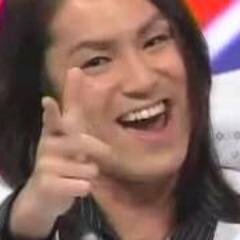
いい写真撮れた! - 狩野英孝
今日友達とブログのエントリーの内容は何を書くって尋ねた。自分撮りって。最初に何が言いた分からない。そうか、自分は自分;撮り(どり)は写真を撮るの撮り(とり)。挑戦だけど頑張る。
まず、女子と男子の自分撮りは違う。
女子:
自分撮りの目的は沢山ある。ヘッドショットとボディショットとフルショットを選べる。
フルショットは新しい服を買ったと皆に見せたい。だって、そんな事ないなら、あっ、また同じ服を着たか思える。それがやだでしょう?今日の服は明日に着えない。フルショットの言外の意味は今日のコンビはこれを普通に書く。
ヘッドショットはメイクがいい時か私は可愛いと思ったの時。なぜ上目遣いするの?絶対に可愛い顔見せたい。フェイスブックで最近”いいね!”を余り貰わないか可愛いアルバムを作りたいの理由だから写真を撮る。珍しい良いメイクしちゃったの顔またしたい時にとかわあぁ、のこ顔が絶対にこの感じになれないだから友達を見えるために写真を撮りたい時ヘッドショットを撮る。
ボディショットは二人にいるとか首飾りを買ったとか”きょにゅう見せてやろう!”とか髪の毛が長いな~の時に自分撮りを撮る。
男子:
ルショットの意味がない。
ヘッドショットは近い過ぎ。
ボディショットは今日の髪の毛いいね;隣の女子可愛いね。
それだけ。
Monday, March 17, 2014
A Brief Introduction to Particles は and を
Labels:
Engrish,
Learn Japanese in English,
particles
0
comments
I'm not an expert in teaching particles, nor have I truly mastered particles. When I learned it, it was without any rules; just feeling. I'm sure there may be a better way to explaining particles somewhere, but like all of my posts will be, it's what I think and how I would teach it to a person. Do not take my words for truth (I'm still learning like you are), I may make mistakes as well. If I do, the comments are free to anyone with our without an account so please leave a comment if it's wrong.
What are particles? Particles give the word before it meaning in the sentence. It has to ability to tell the receiver what is being acted on what, or where something is going. Because Japanese can put these particles on words, there are many ways of saying the same sentence. The longer the sentence, the more combinations you can make. Why do some Japanese people speak without particles? I've always learned that Japanese people like shortcuts. They like to remove the subject from the sentence or make words shorter than they already are. Because of the context the sentence is in, the speaker assumes the listener knows which particle is being used.
Well then, let's get started.
は pronounced wa when spoken as a particle, ha otherwise.
は is the 'topic marker' as everyone would say but I really hate using those words. But what does that really mean? What is the 'topic' of a sentence anyway? In English, the word order for a sentence is Subject-Verb-Object or SVO as some would refer to. When you make a sentence in English, the 'topic' is generally the first thing you would say in the sentence.
I am cold. 私は寒いです。
This is cool。これはかっこいです。
Curry is hot. カレーは辛いです。
In the previous sentence, I, This, and Curry are the topics of the sentence.
を pronounced as o when spoken as as particle, wo otherwise.
を is the object marker. This is a little easier to understand because in English, we have verbs that must have an object directly, or eventually, after the verb. Whenever you're talking about an object in relation to a verb, use the object marker を. Japanese word order is SOV so you don't really know what will happen to the object before the verb appears.
(I) received a letter. 手紙をもらった。
(I) bought a pen. ぺんを買った。
(I) drank water. 水を飲んだ。
In the previous sentences, the letter, pen and water are the objects. You generally don't make sentences like I received, I bought, or I drank. You have to say what the object is with the verb.
The topic and the object play an important role in the sentence. You want to know who does what to whom. Because particles tell the receiver what the purpose of the word is, sentences can be jumbled up and still make sense. Sentences do not always start with the topic in Japanese. Be careful with your particles (if you choose to use them).
私はケーキを食べた。 I ate the cake.
私をケーキは食べた。The cake ate me.
There are always exceptions to grammar. Some words require a specific particle all the time 天気. Some verbs use a specific particle in the positive and another one in the negative 欲しい、好き. There is no way to explain exceptions. They are made by the culture in practical use and as a learner of a new language, you must accept exceptions as they are.
What are particles? Particles give the word before it meaning in the sentence. It has to ability to tell the receiver what is being acted on what, or where something is going. Because Japanese can put these particles on words, there are many ways of saying the same sentence. The longer the sentence, the more combinations you can make. Why do some Japanese people speak without particles? I've always learned that Japanese people like shortcuts. They like to remove the subject from the sentence or make words shorter than they already are. Because of the context the sentence is in, the speaker assumes the listener knows which particle is being used.
Well then, let's get started.
は pronounced wa when spoken as a particle, ha otherwise.
は is the 'topic marker' as everyone would say but I really hate using those words. But what does that really mean? What is the 'topic' of a sentence anyway? In English, the word order for a sentence is Subject-Verb-Object or SVO as some would refer to. When you make a sentence in English, the 'topic' is generally the first thing you would say in the sentence.
I am cold. 私は寒いです。
This is cool。これはかっこいです。
Curry is hot. カレーは辛いです。
In the previous sentence, I, This, and Curry are the topics of the sentence.
を pronounced as o when spoken as as particle, wo otherwise.
を is the object marker. This is a little easier to understand because in English, we have verbs that must have an object directly, or eventually, after the verb. Whenever you're talking about an object in relation to a verb, use the object marker を. Japanese word order is SOV so you don't really know what will happen to the object before the verb appears.
(I) received a letter. 手紙をもらった。
(I) bought a pen. ぺんを買った。
(I) drank water. 水を飲んだ。
In the previous sentences, the letter, pen and water are the objects. You generally don't make sentences like I received, I bought, or I drank. You have to say what the object is with the verb.
The topic and the object play an important role in the sentence. You want to know who does what to whom. Because particles tell the receiver what the purpose of the word is, sentences can be jumbled up and still make sense. Sentences do not always start with the topic in Japanese. Be careful with your particles (if you choose to use them).
私はケーキを食べた。 I ate the cake.
私をケーキは食べた。The cake ate me.
There are always exceptions to grammar. Some words require a specific particle all the time 天気. Some verbs use a specific particle in the positive and another one in the negative 欲しい、好き. There is no way to explain exceptions. They are made by the culture in practical use and as a learner of a new language, you must accept exceptions as they are.
Wednesday, March 12, 2014
Coins and Their Names
Labels:
English,
Learn English in English,
Money
0
comments

I guess the biggest question is "Why should I remember these names?". Let me answer this question by giving you a small situation. We are going out for dinner and the bill for $10 each comes to our table. You, being the international student, have plentiful amounts of $20 bills. I, on the other hand, am a poor, unemployed, student. I check my wallet and only have $10. In this situation I am short $5 and you have $5 extra.

I frown. But I fear not, for if I beg to borrow $5 from you, we would be able to pay the bill. You do so and now I owe you 5 dollars. A few days later we meet again and you kindly remind me I owe you 5 dollars. I reply "Sure, here's 500 pennies (1 cent)". It's $5 isn't it? You must accept it.
But you have much higher standards than that, don't you? (Yes, you do). You reject the pennies and demand "I want quarters or higher". Darn, now I have to give you a combination of quarters, loonies, or toonies.
So, what did you learn? I hope you learned that the names of the coins represent the type of coin and the amount of coins is the value. If you're asking for a specific type of coin, perhaps in the subway, bus, or vending machine, you would use the name. If you want a total, then use any type of coins to add to that total.
We have talked about coins but what about bills? What is the name of the five dollar bill?
Answer: (Highlight text to find out) Five dollar bill. It's a joke.
Let's have some sample sentences of useful vocabulary shall we?
-Cashiers still accept pennies but they won't give them as change.
-There is a beaver on the nickel.
-The dime is the smallest Canadian coin.
-The quarter, much like numbers, is a quarter of a dollar.
-I like to tip using fifty pieces to confuse waiters for fun.
-The bird on the loonie is a loon.
-Toonies are a cute way of saying "worth two loonies".
-Short: missing, lacking
He was three minutes short of being on time
We are running short on eggs, can you go buy some?
-Extra: more, leftover
I have an extra cookie. Would you like one?
Do you want to do anything extra or is the basic package alright?
Tuesday, March 11, 2014
自己紹介
Labels:
日本語,
自己紹介
1 comments
勉強単語と文法は赤色で
はじめましてケビンと申します。まあ、それだけが俺のしてる敬語。今、俺が大学生でコンピュータか学勉強している。大学生だけど、もう二ヶ月間に卒業する。
日本語はもうすぐ四年間勉強した。何で日本語勉強したの?アニメ大好き過ぎて勉強したい。まず、ポケモンから始まった。ポケモンで、次はJumpのナルト。テレビは英語で見た。でもその時でナルトの話はいいと思う。アニメは日本からしてるでネットで探した。まっすぐに英語と日本語の違い見える。そんな違うが嘘でしょう?と思ったので漫画のほんとの意味知りたい。で、日本語初めて勉強した。日本語を勉強したいけど、どういう勉強するだろう?自分で絶対できないと思った。運よく色々な場所がある。次のポストで続く。
はじめましてケビンと申します。まあ、それだけが俺のしてる敬語。今、俺が大学生でコンピュータか学勉強している。大学生だけど、もう二ヶ月間に卒業する。
日本語はもうすぐ四年間勉強した。何で日本語勉強したの?アニメ大好き過ぎて勉強したい。まず、ポケモンから始まった。ポケモンで、次はJumpのナルト。テレビは英語で見た。でもその時でナルトの話はいいと思う。アニメは日本からしてるでネットで探した。まっすぐに英語と日本語の違い見える。そんな違うが嘘でしょう?と思ったので漫画のほんとの意味知りたい。で、日本語初めて勉強した。日本語を勉強したいけど、どういう勉強するだろう?自分で絶対できないと思った。運よく色々な場所がある。次のポストで続く。
Monday, March 10, 2014
Introduction
Labels:
English,
introduction
1 comments
What is this blog and what is it for?
I am a Canadian learning Japanese. I also like to teach English. I will be writing in English for those who are learning it as well as in Japanese to improve my own skills. I am hoping this blog will be helpful for those learning both languages.
I am currently volunteering at multiple places and often hear words or phrases that I think will be useful for learners. I'm sure there is a better definition on the internet but I like to put things in my own words. I also really hate textbooks. They easily go out of date before print and I rather use the word in context the learner can understand.
In my Japanese posts I accept all comments, and corrections. After all, I'm learning too. And in return, I wouldn't mind answering any questions you may have. Who knows, it can be a future post.
I am a Canadian learning Japanese. I also like to teach English. I will be writing in English for those who are learning it as well as in Japanese to improve my own skills. I am hoping this blog will be helpful for those learning both languages.
I am currently volunteering at multiple places and often hear words or phrases that I think will be useful for learners. I'm sure there is a better definition on the internet but I like to put things in my own words. I also really hate textbooks. They easily go out of date before print and I rather use the word in context the learner can understand.
In my Japanese posts I accept all comments, and corrections. After all, I'm learning too. And in return, I wouldn't mind answering any questions you may have. Who knows, it can be a future post.

Subscribe to:
Comments (Atom)